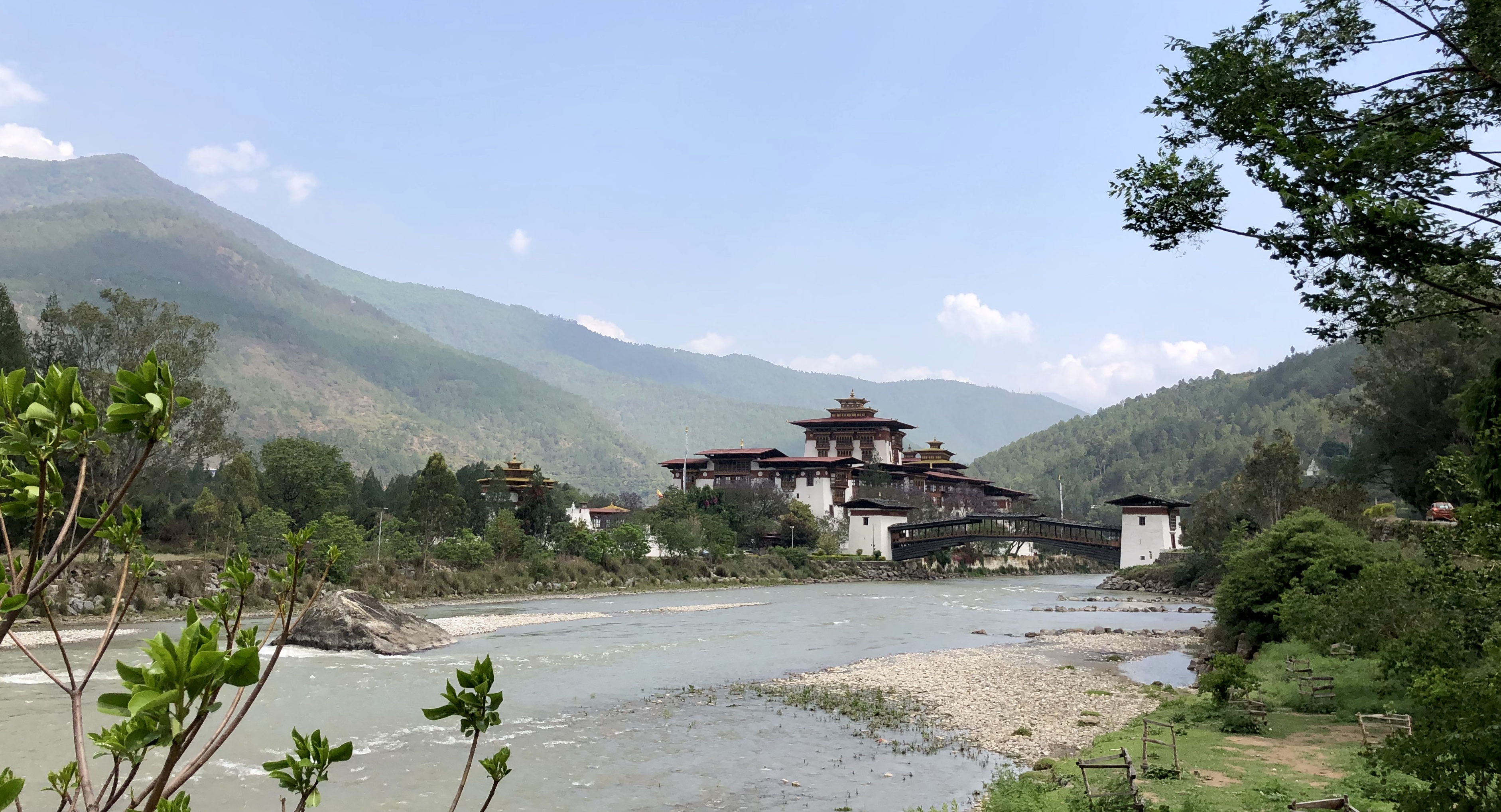
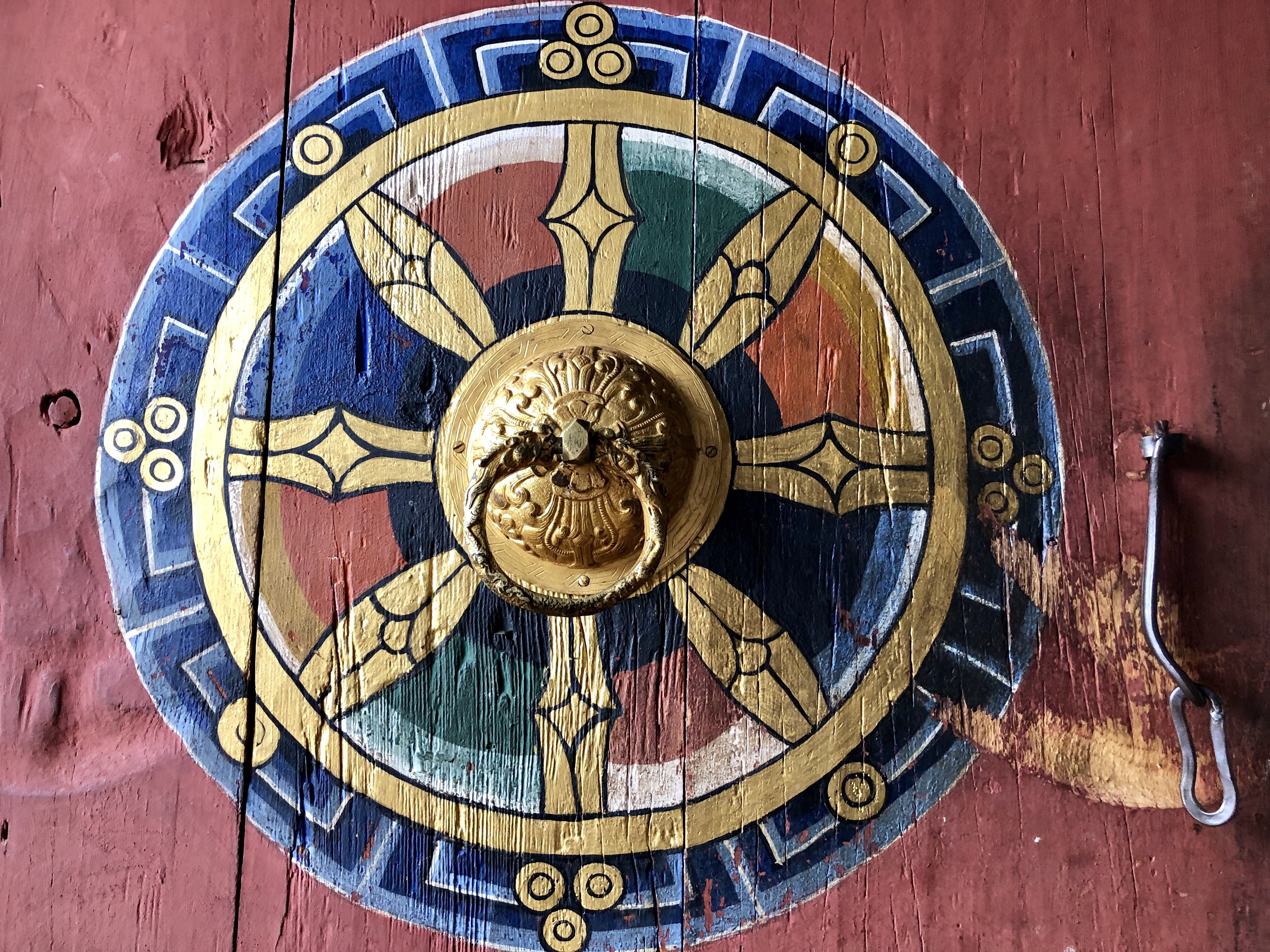
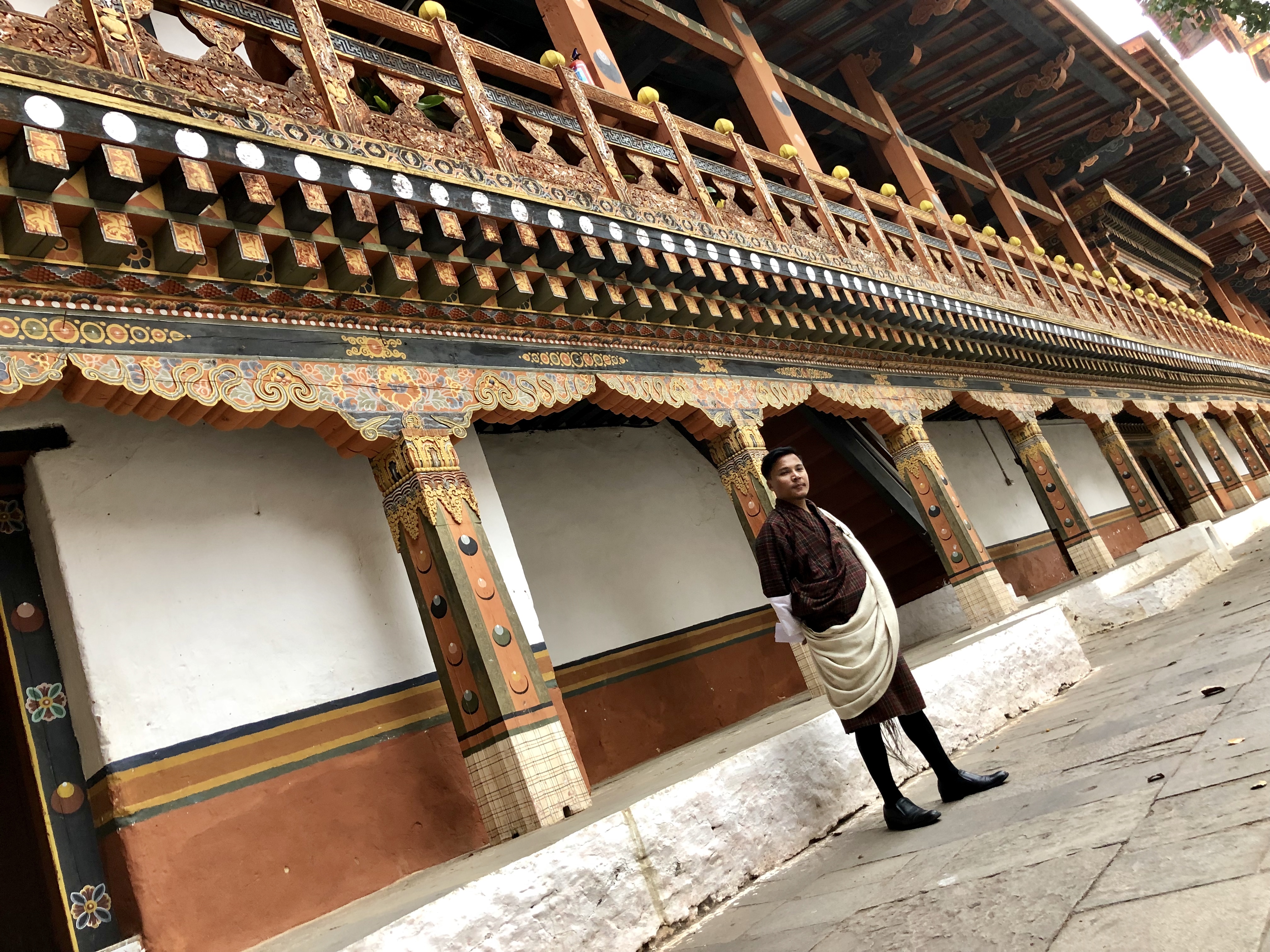
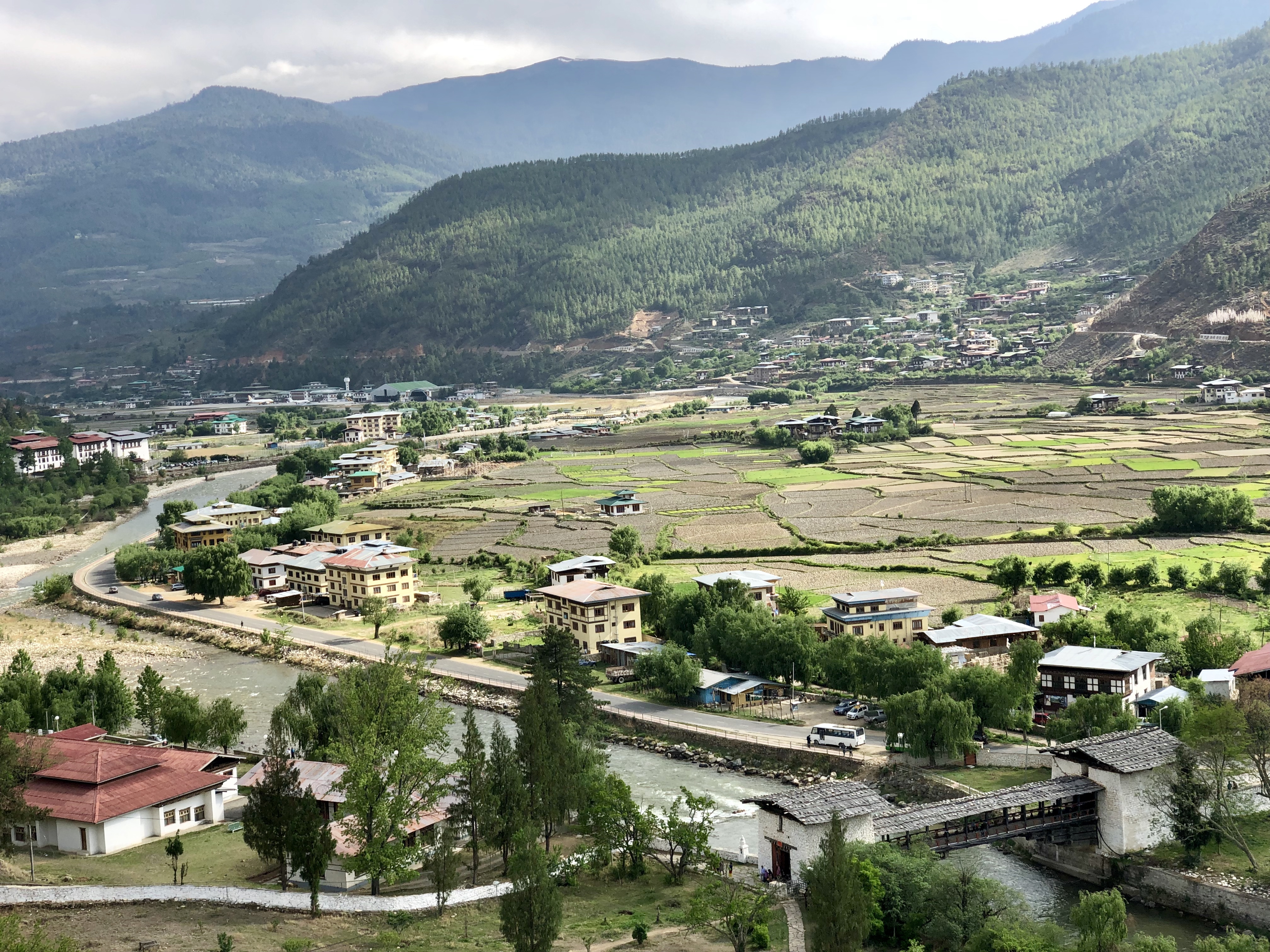
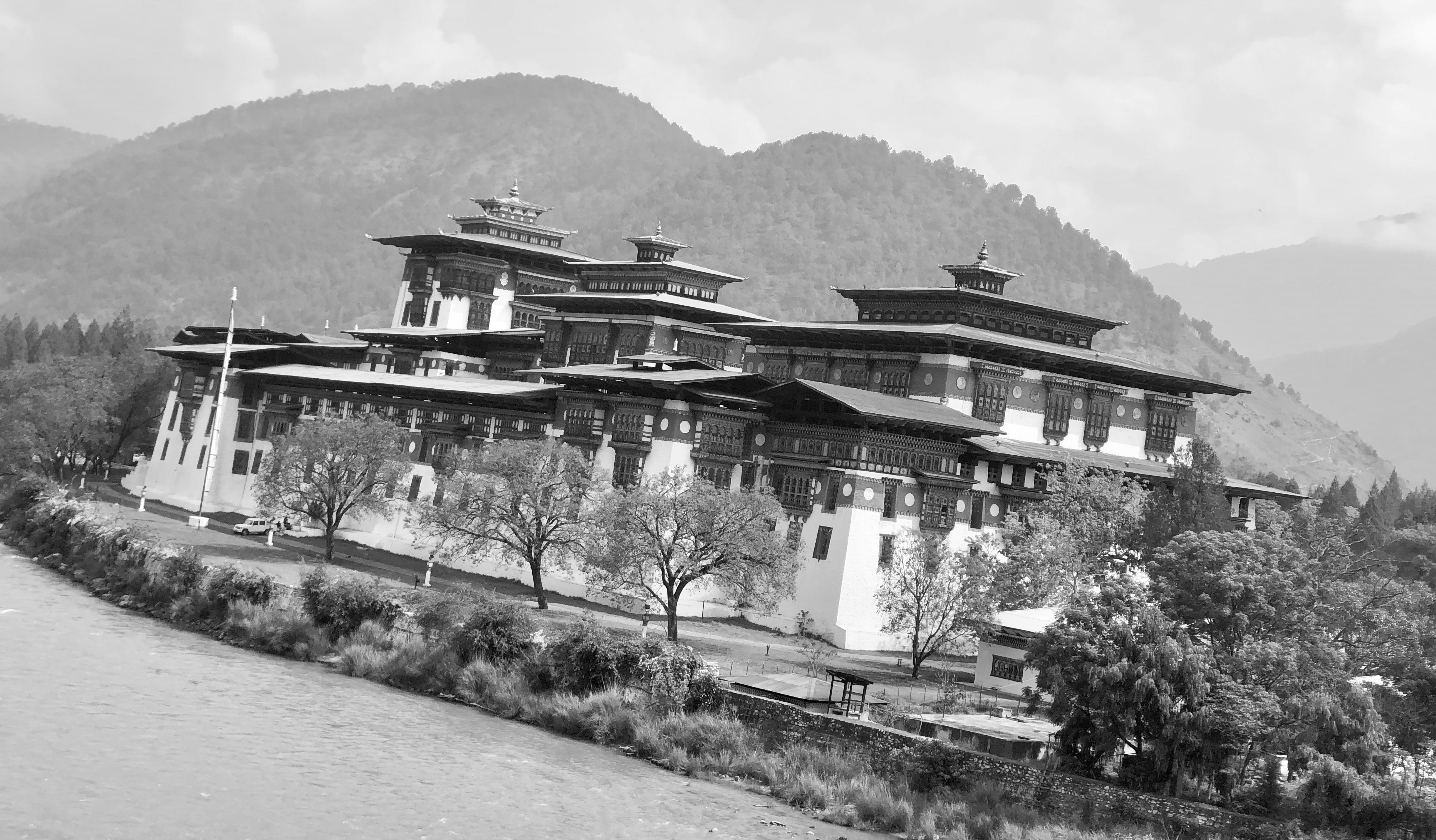
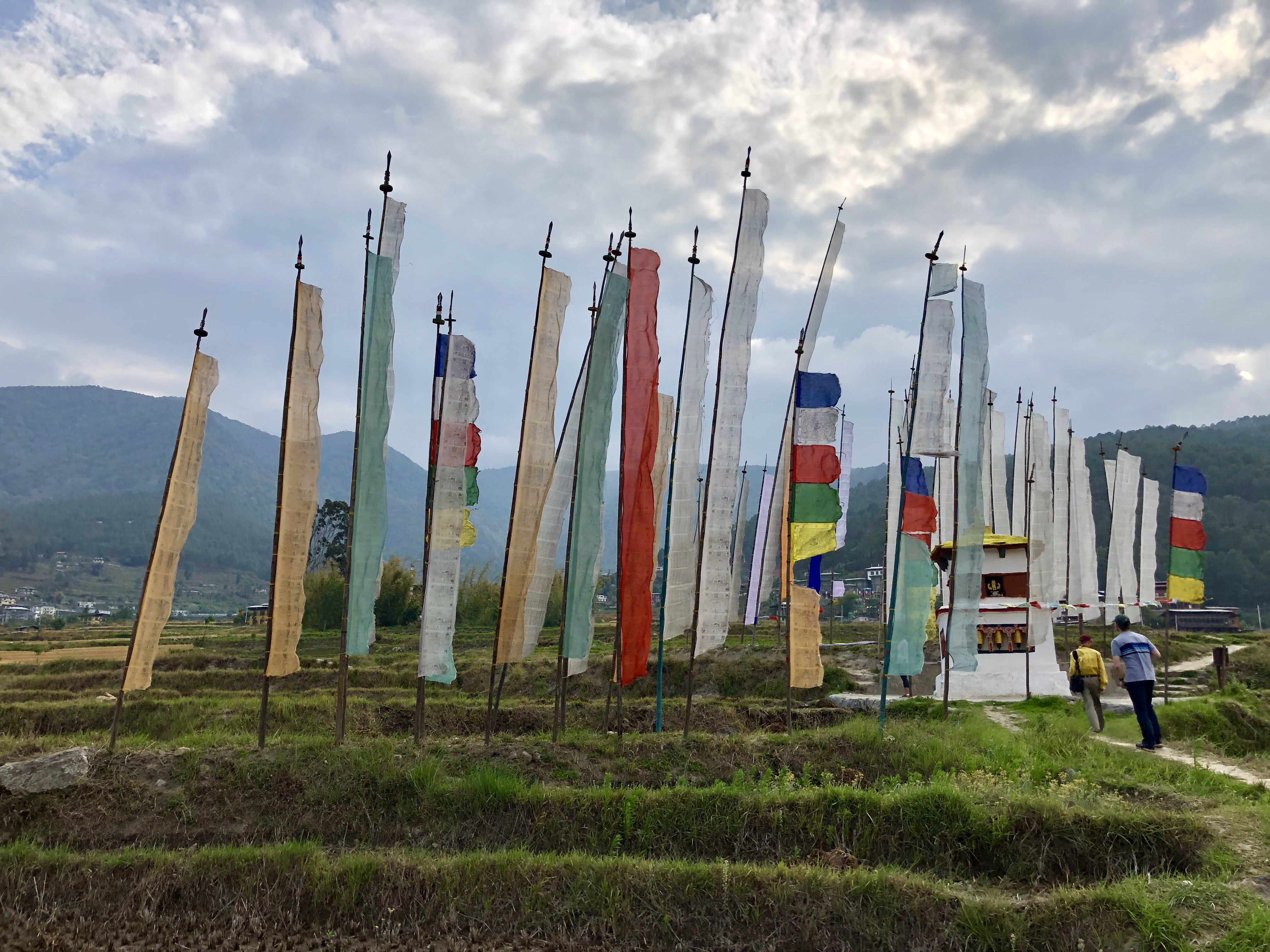
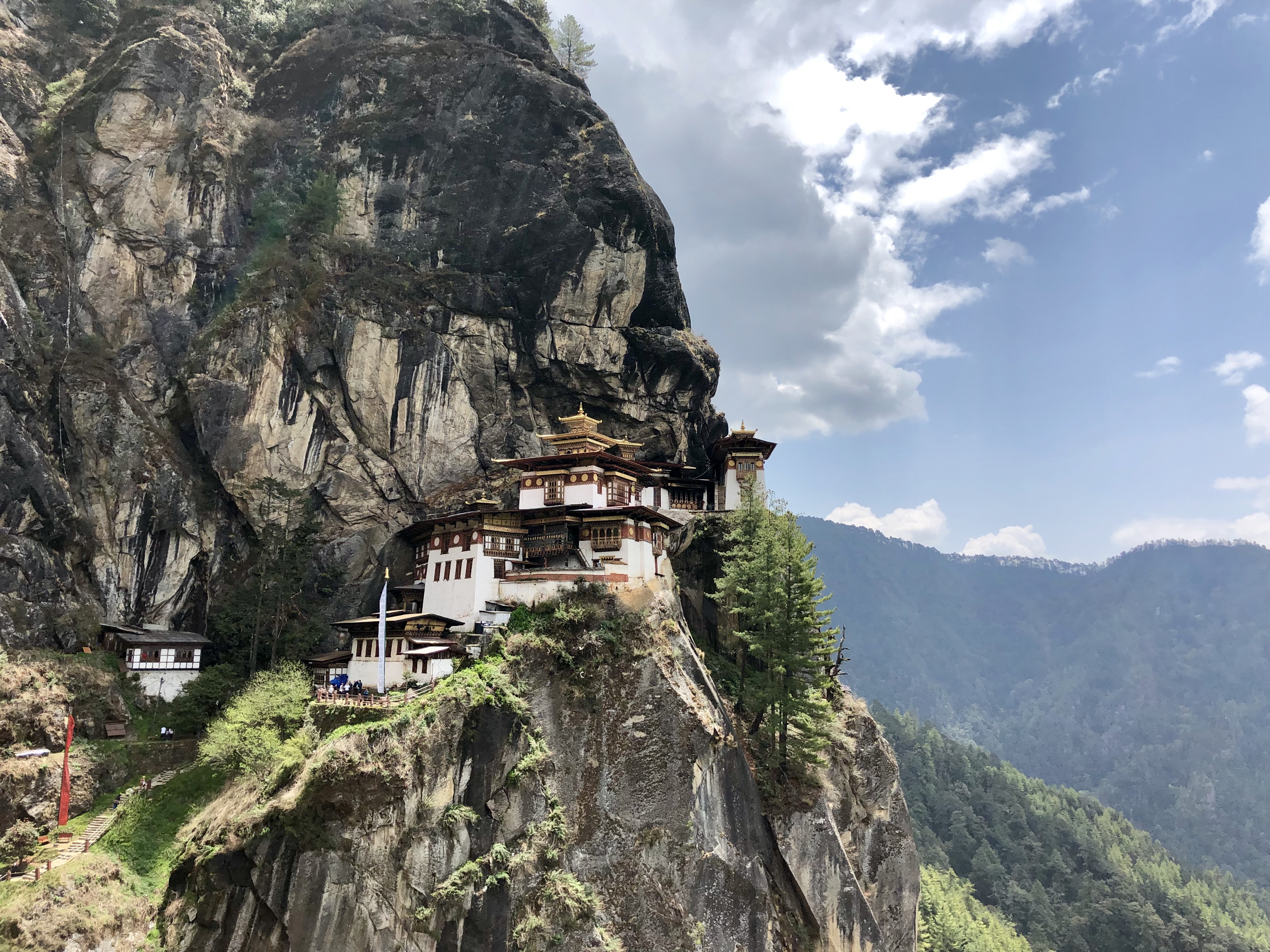
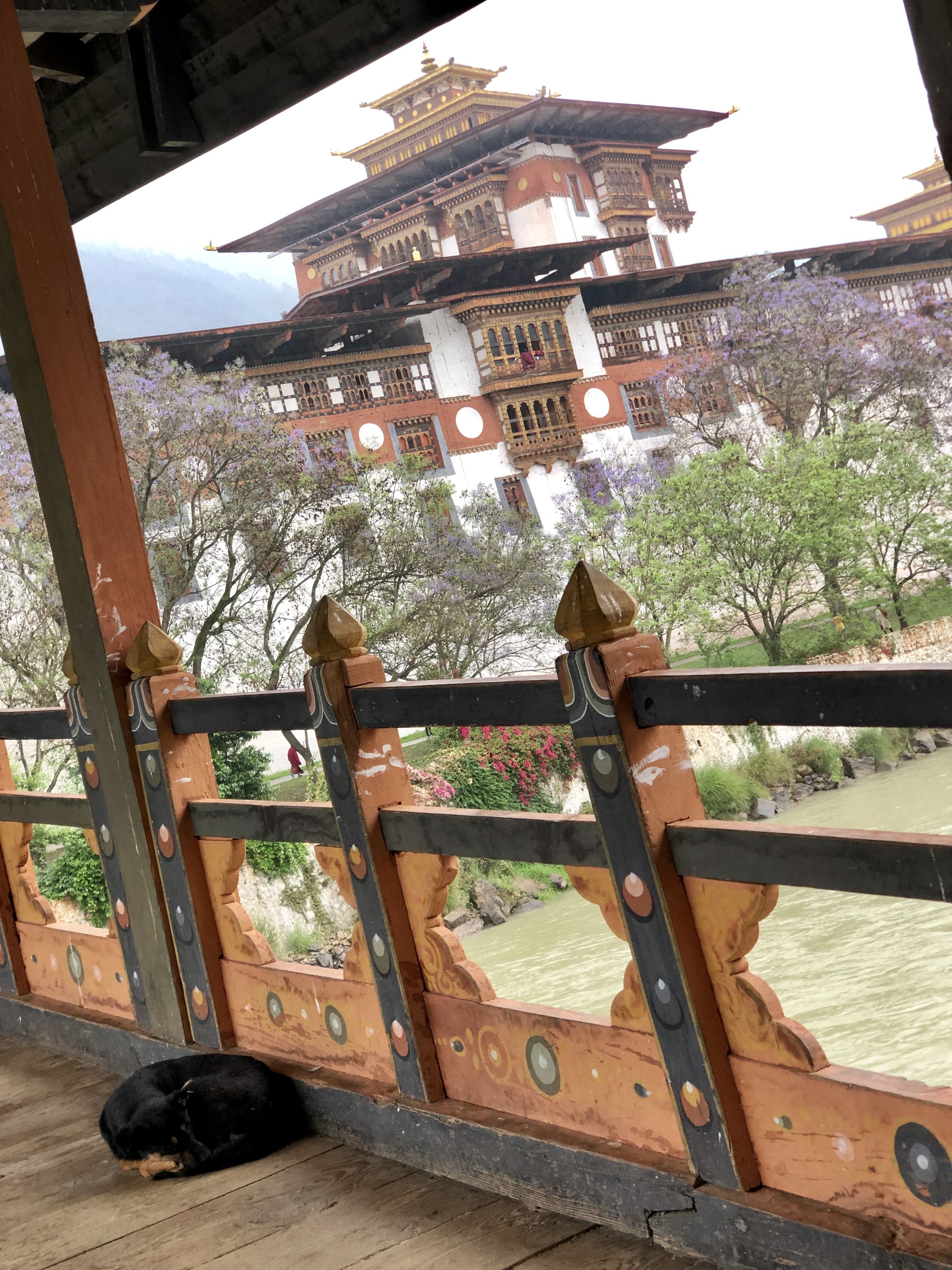
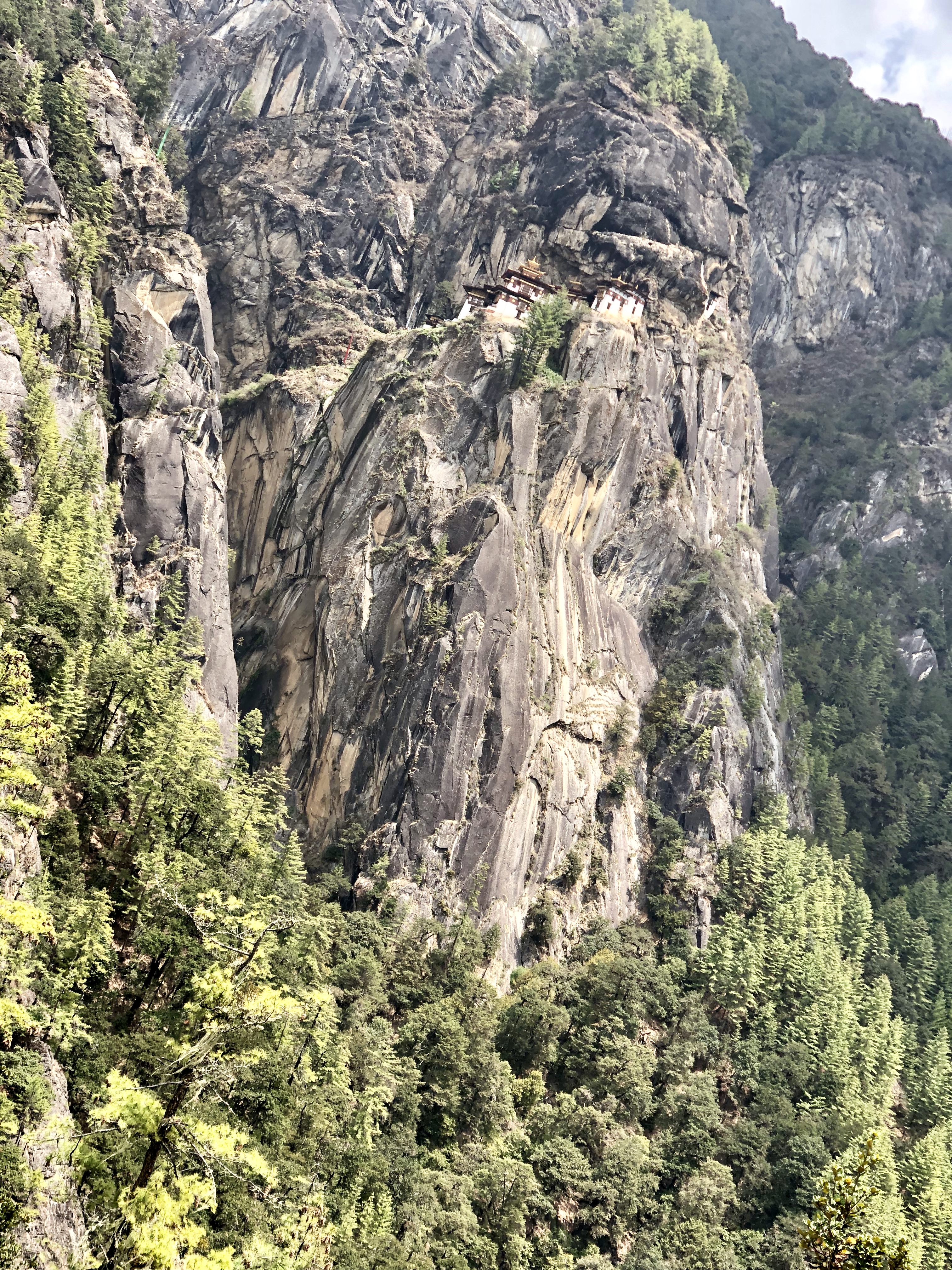
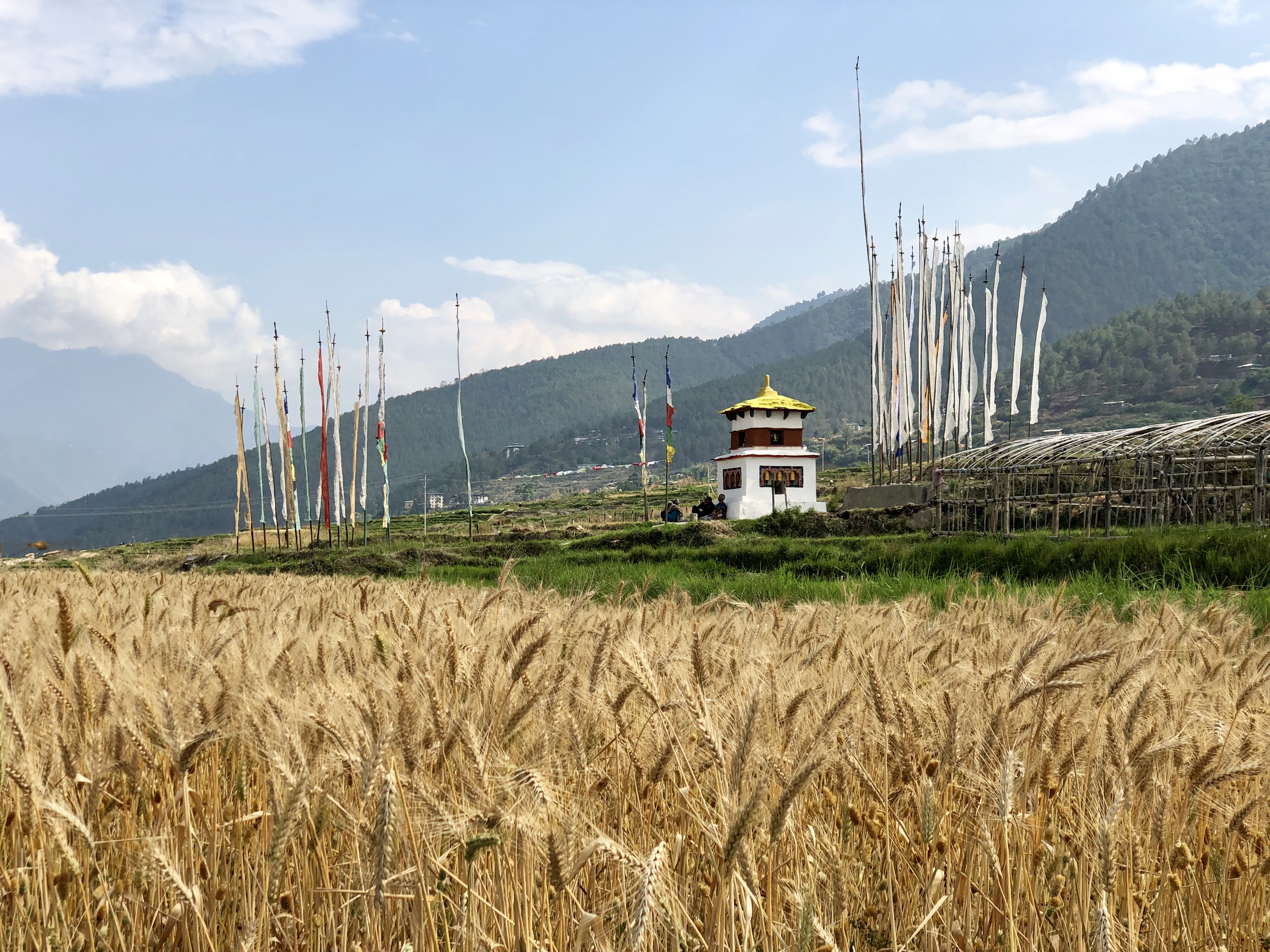
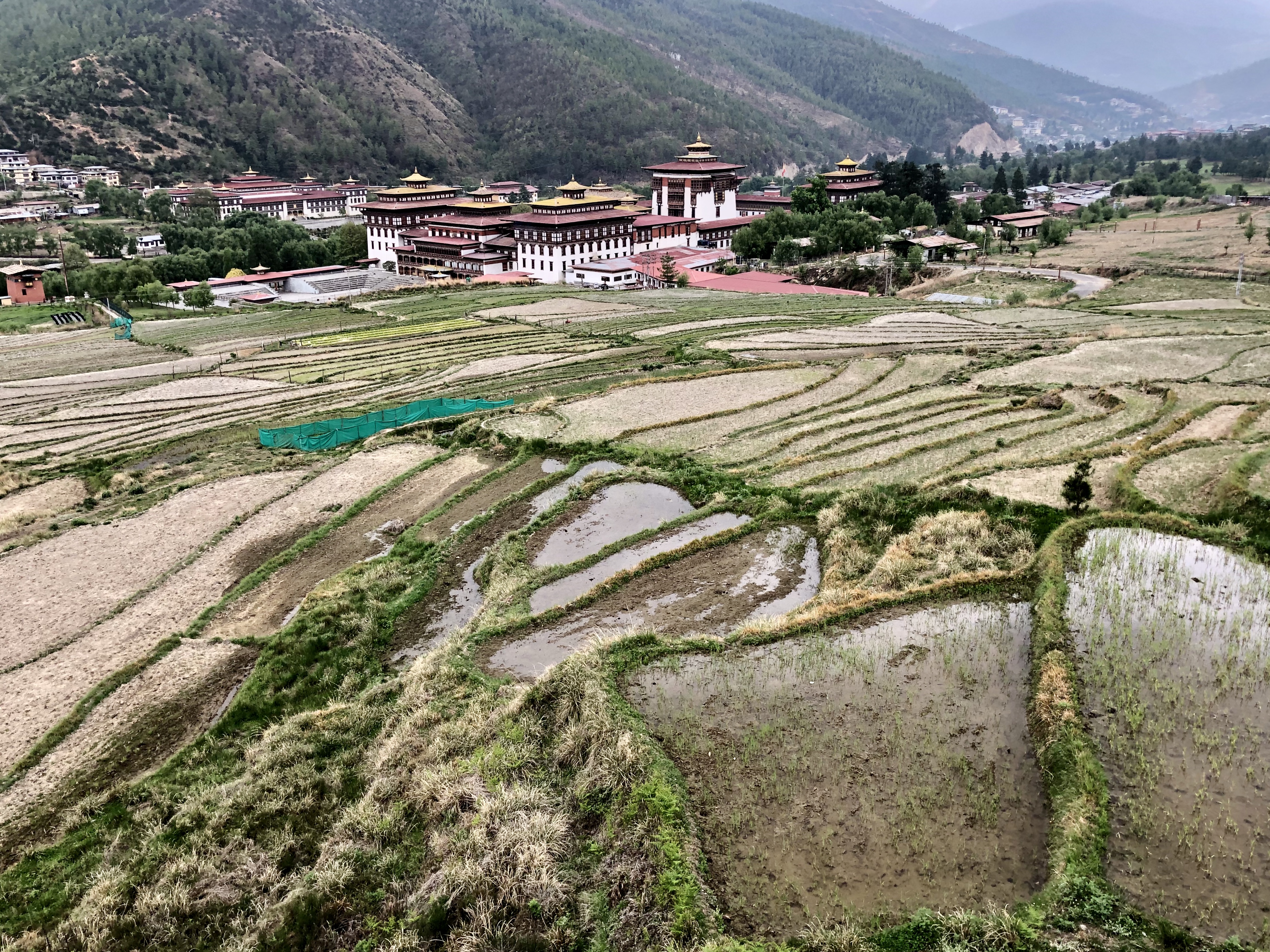
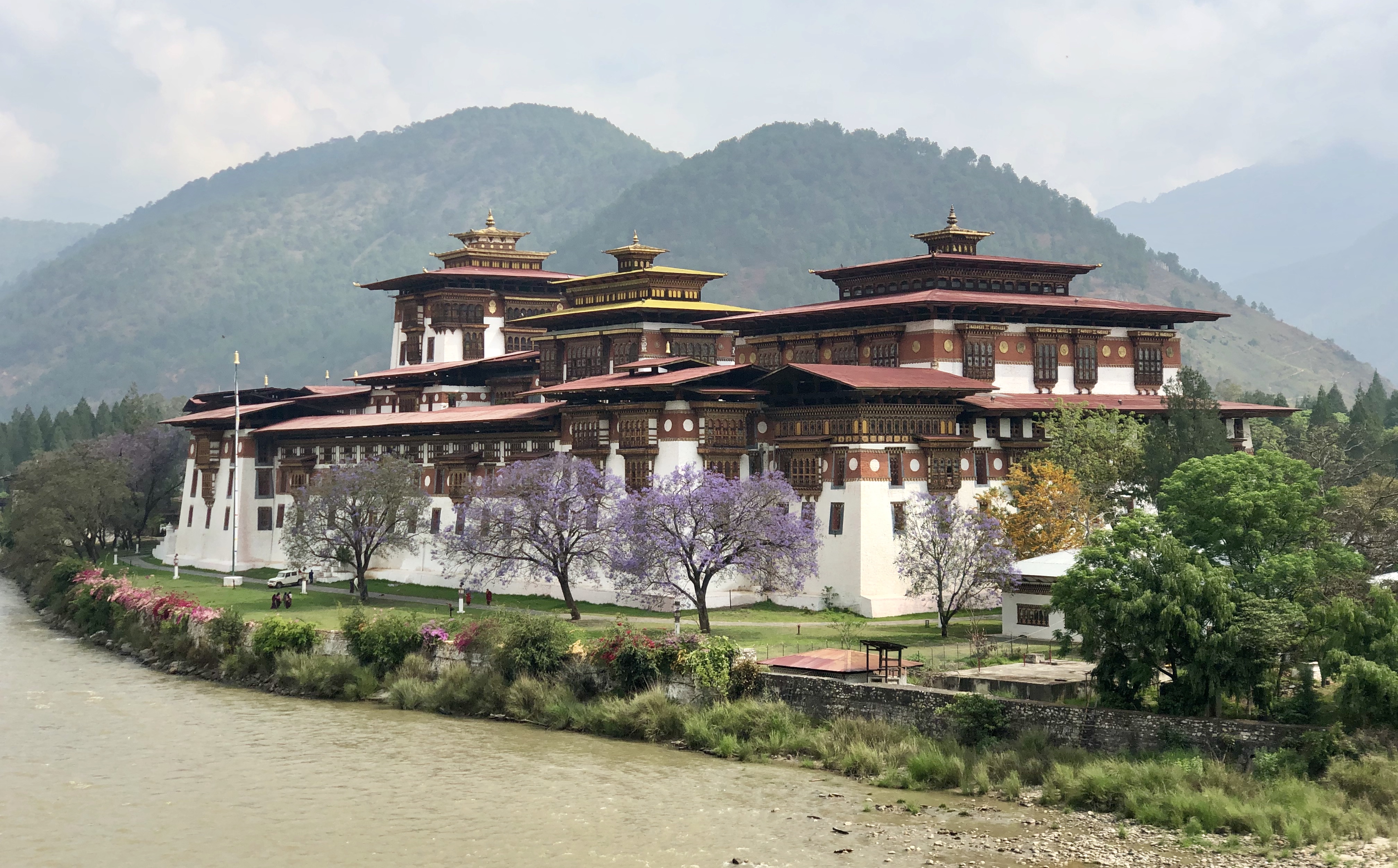
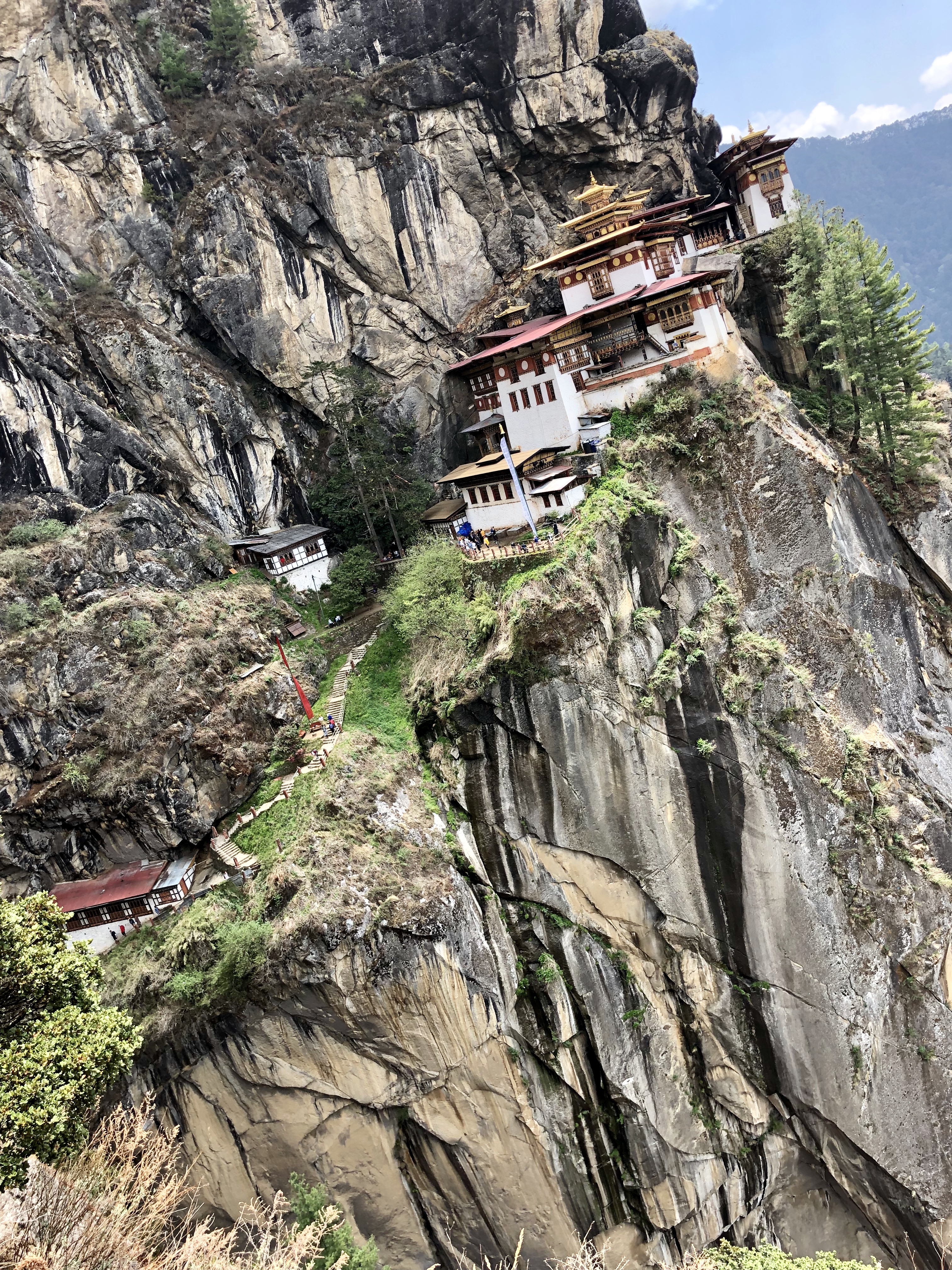
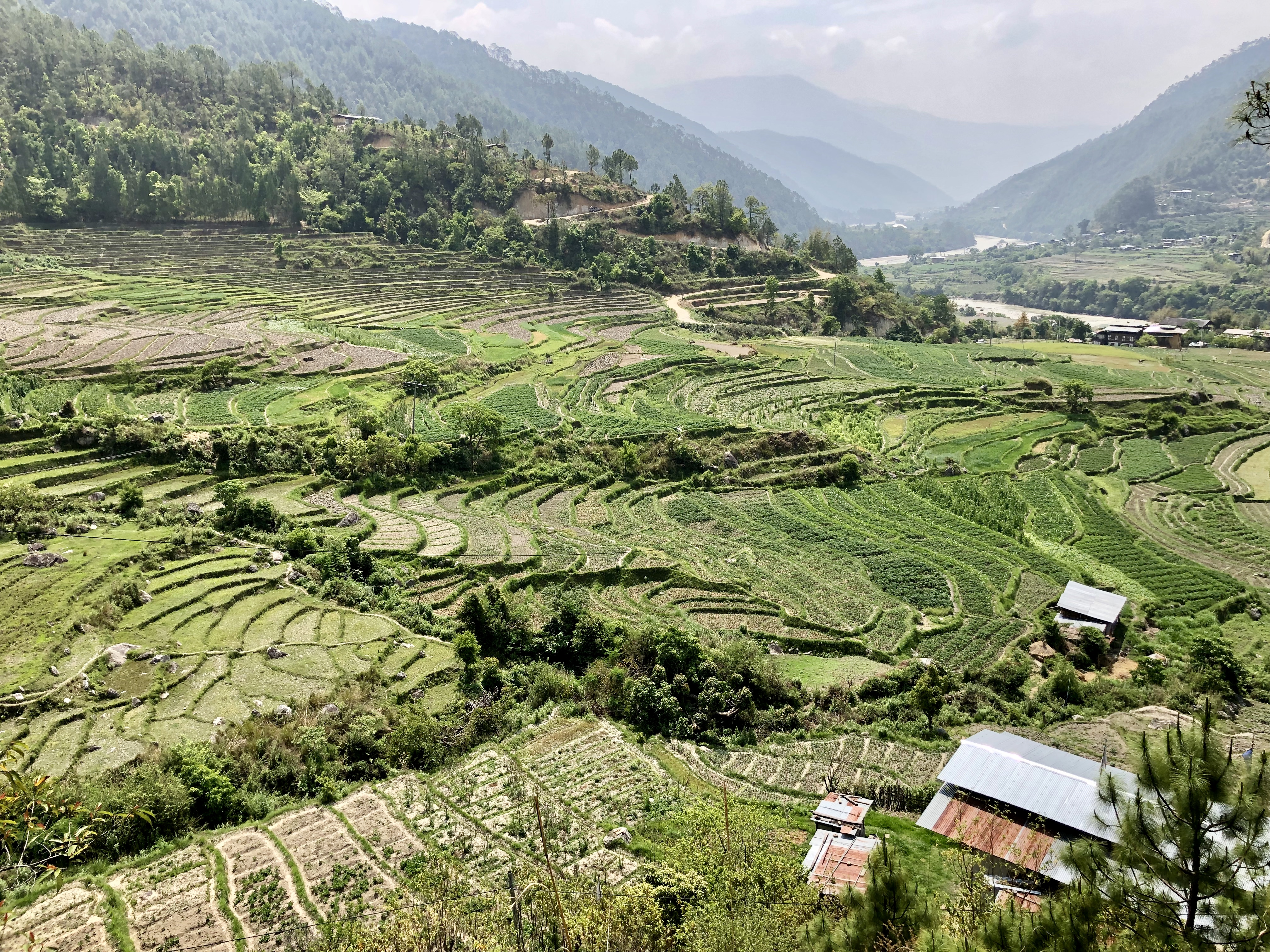
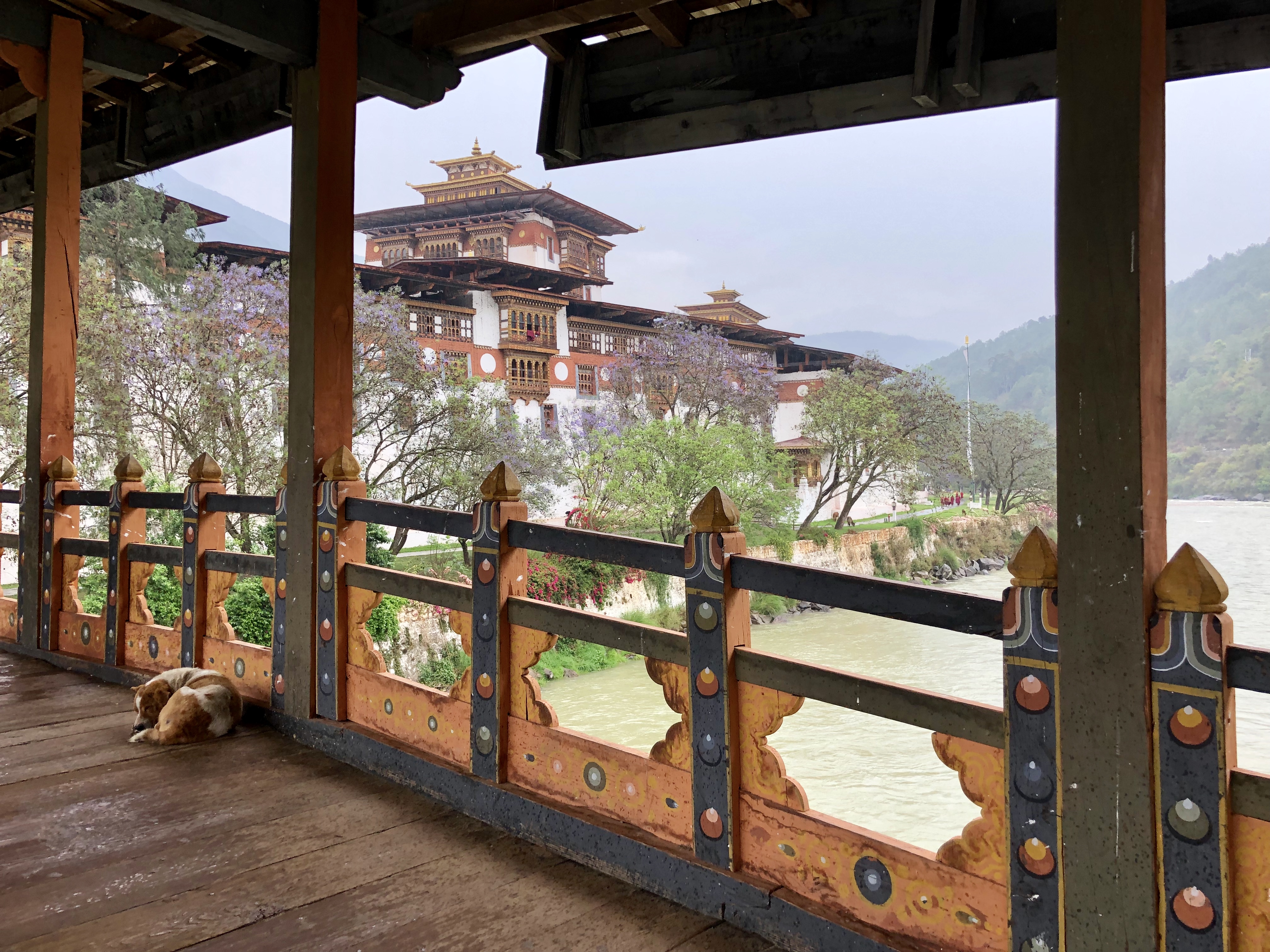
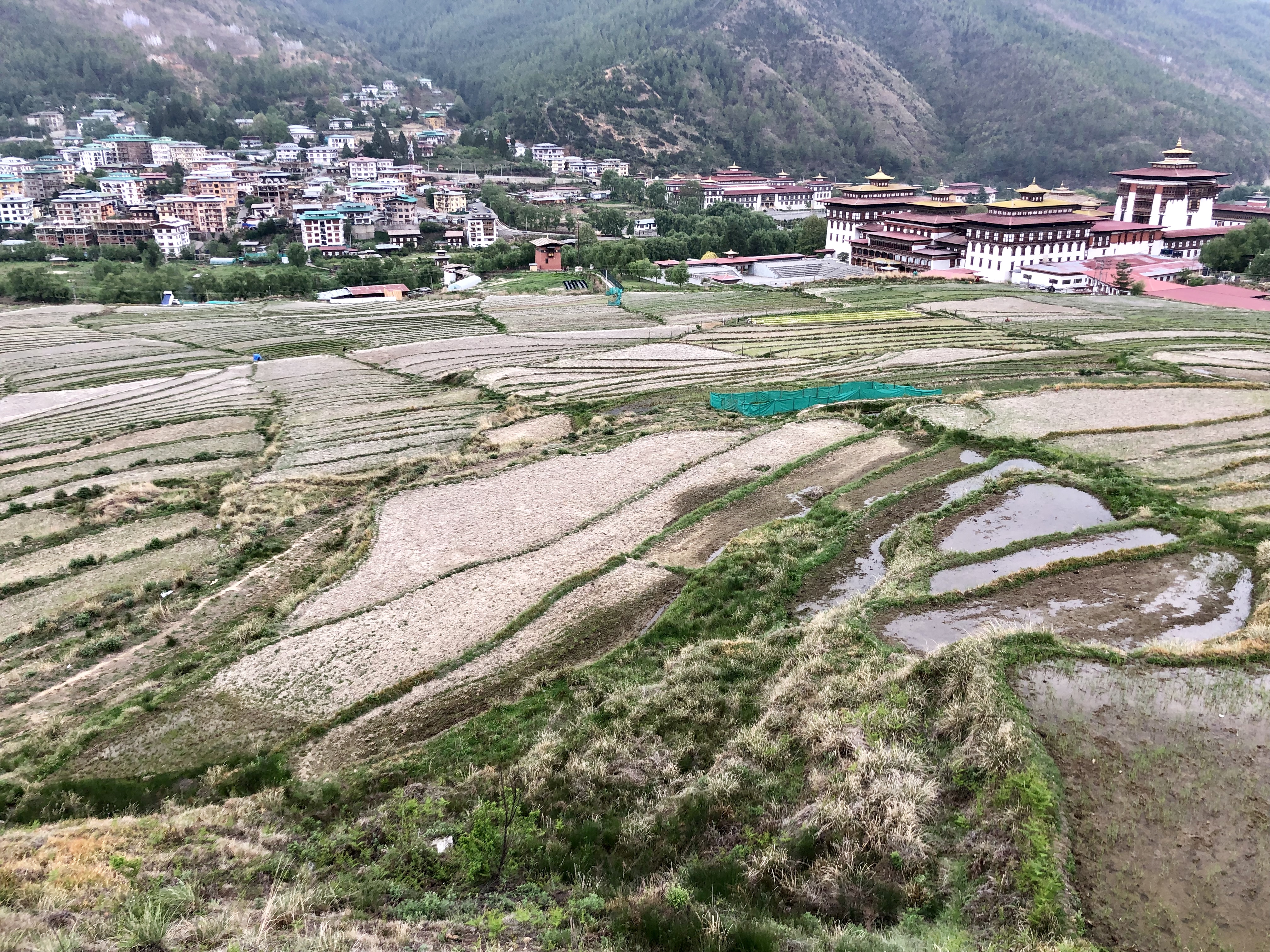
Bhutan is the last great Himalayan kingdom, where a traditional Buddhist culture carefully embraces globalization. Most importantly, environmental protection in Bhutan goes hand in hand with cultural preservation. Not only is Bhutan carbon neutral, but it actually absorbs more carbon than it emits. This means Bhutan offers one of the last pristine pockets in the entire Himalaya.
Currency is the Ngultrum (Nu) which is pegged to the Indian rupee
Language is Dzongkha; English is also widely spoken and used in schools
When to visit Bhutan:
- High Season: March to May, September to November
- Shoulder Season: December to February
- Low Season: June to August
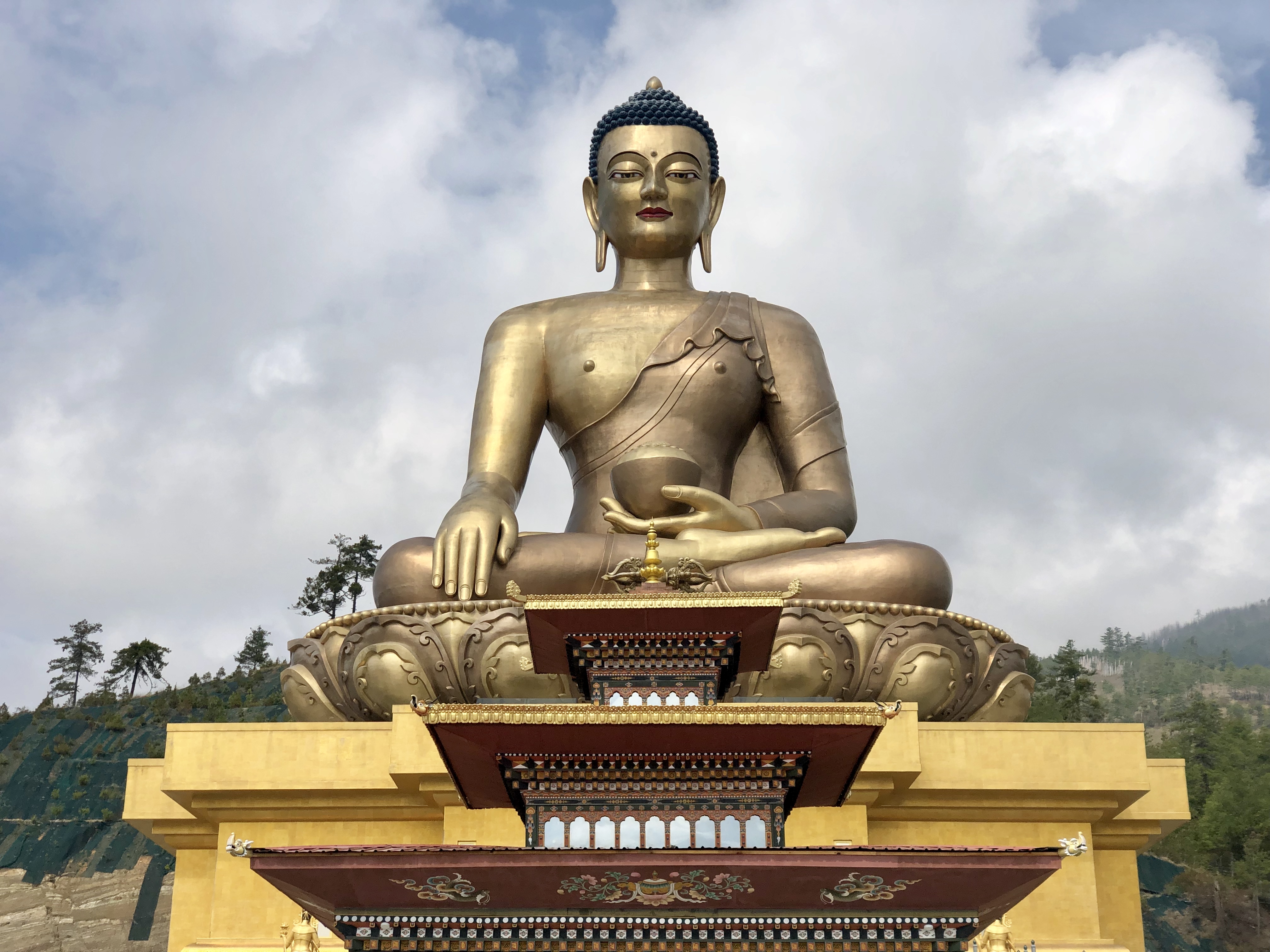
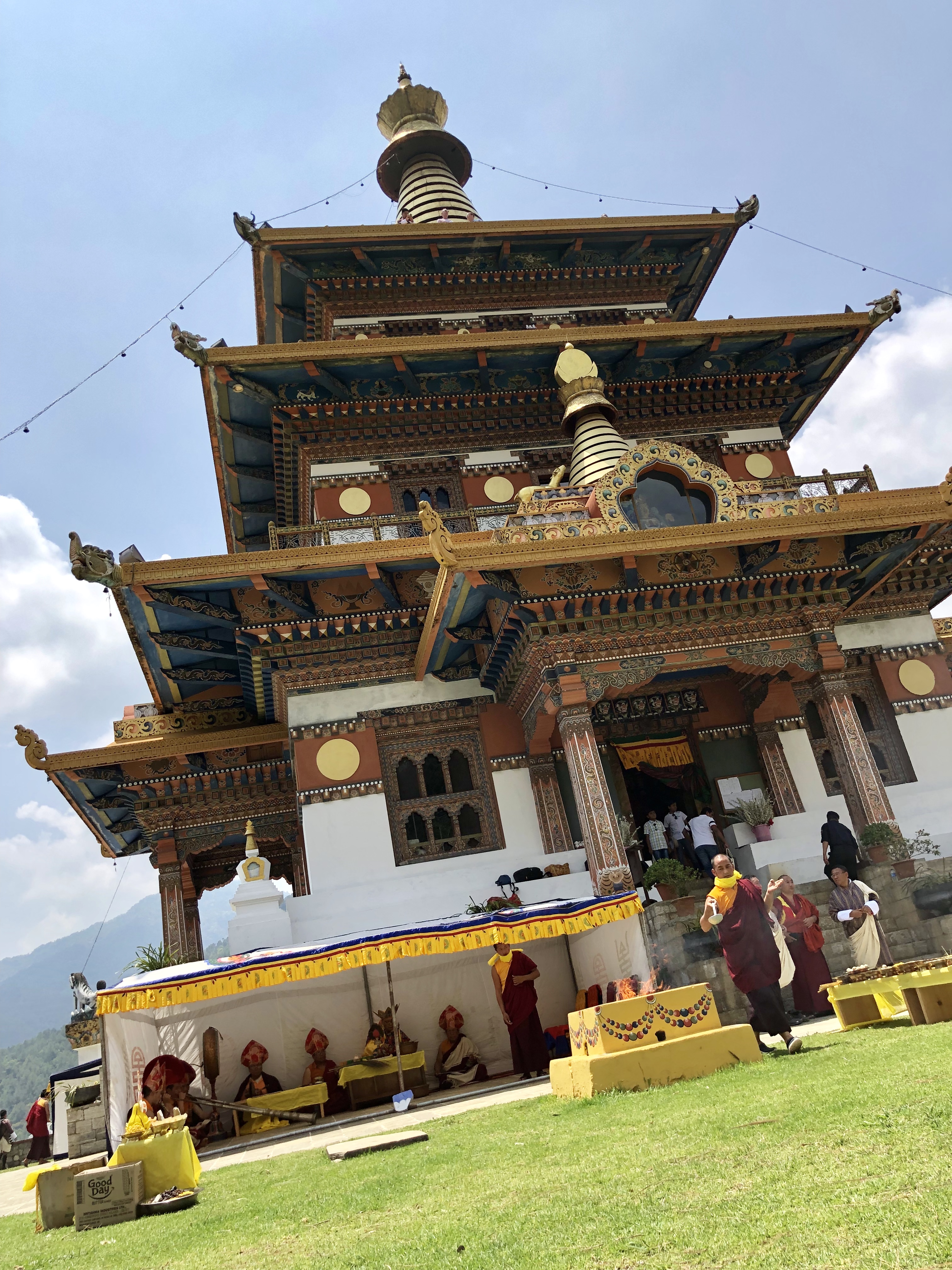
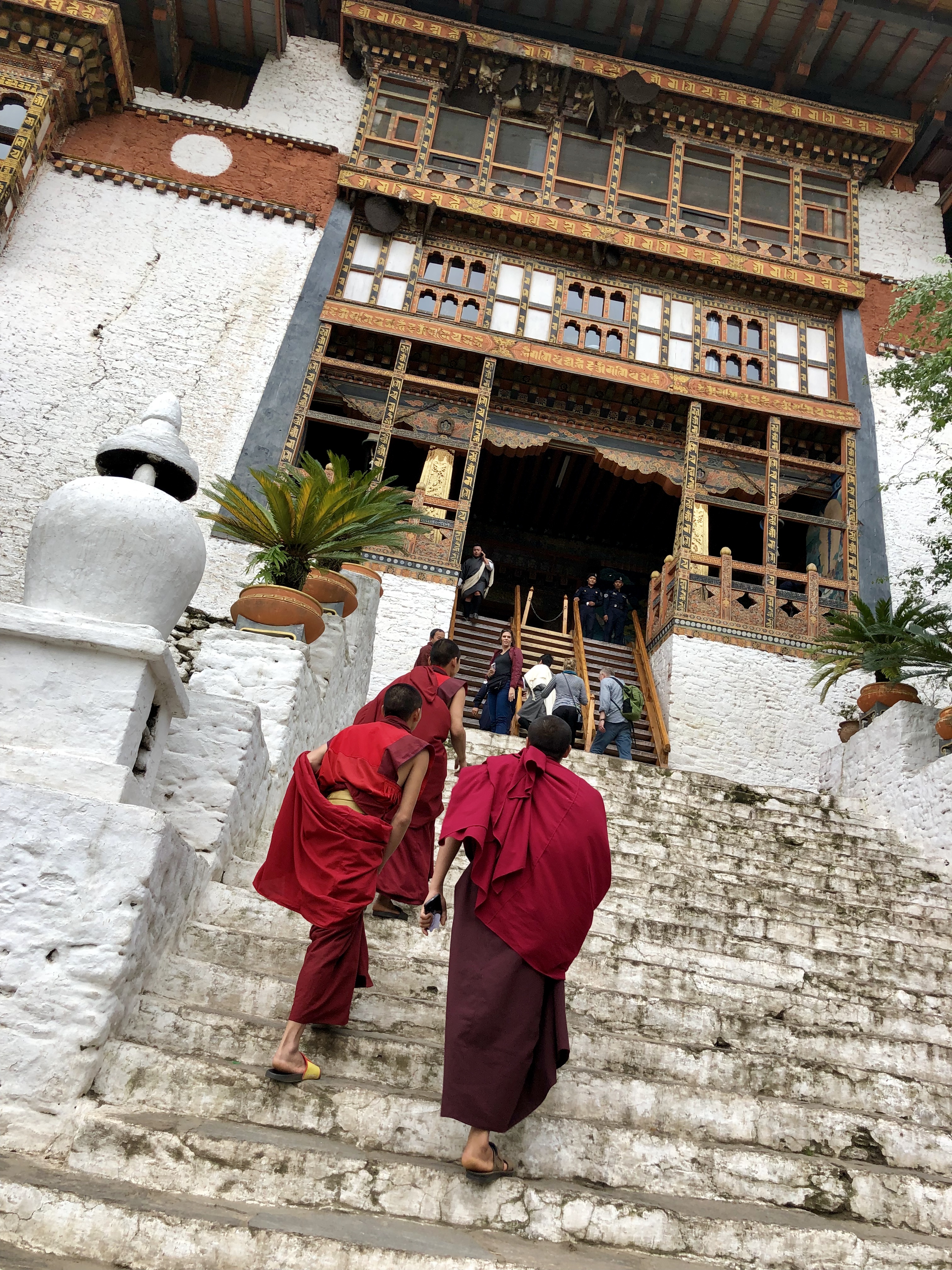
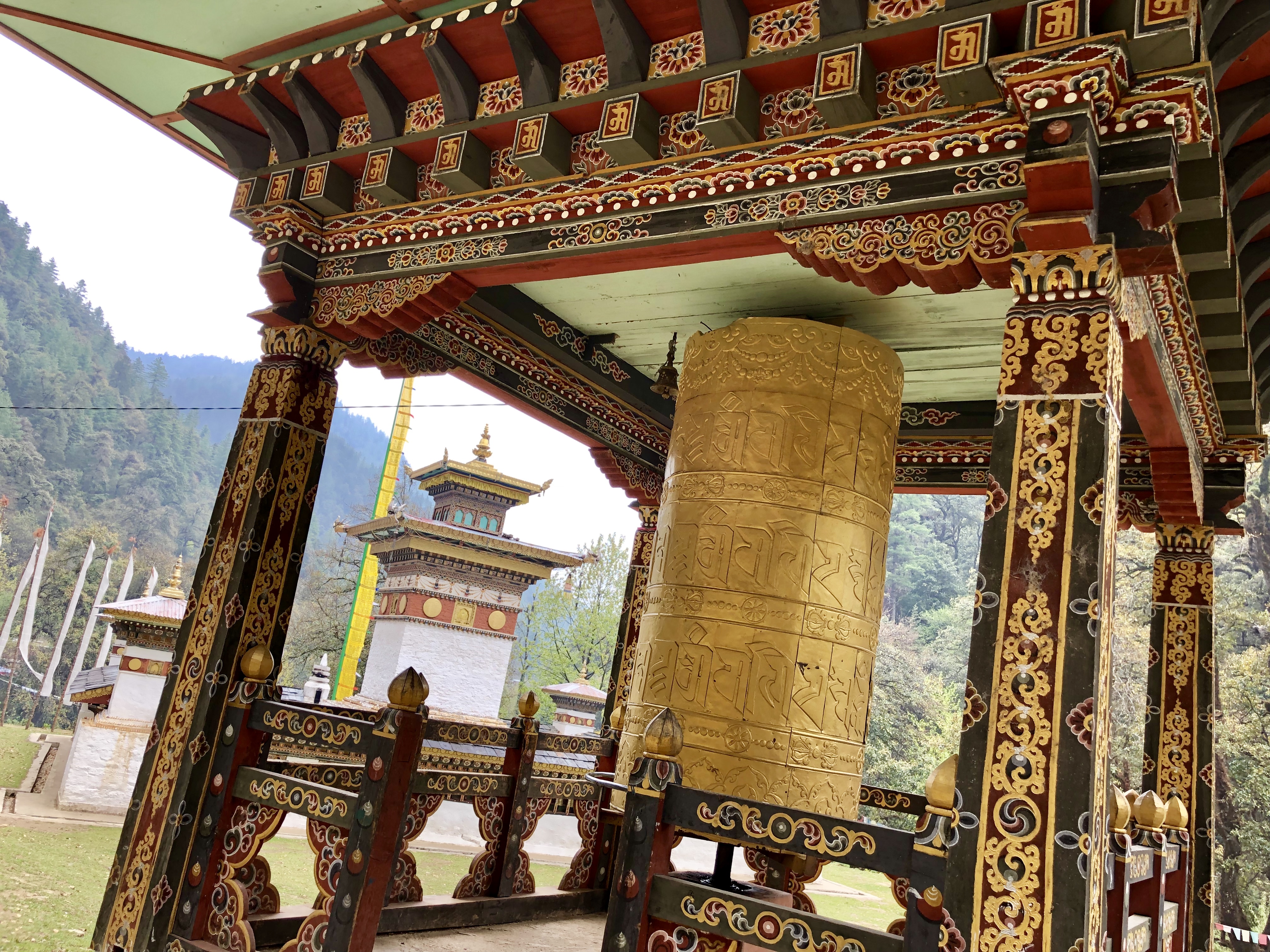
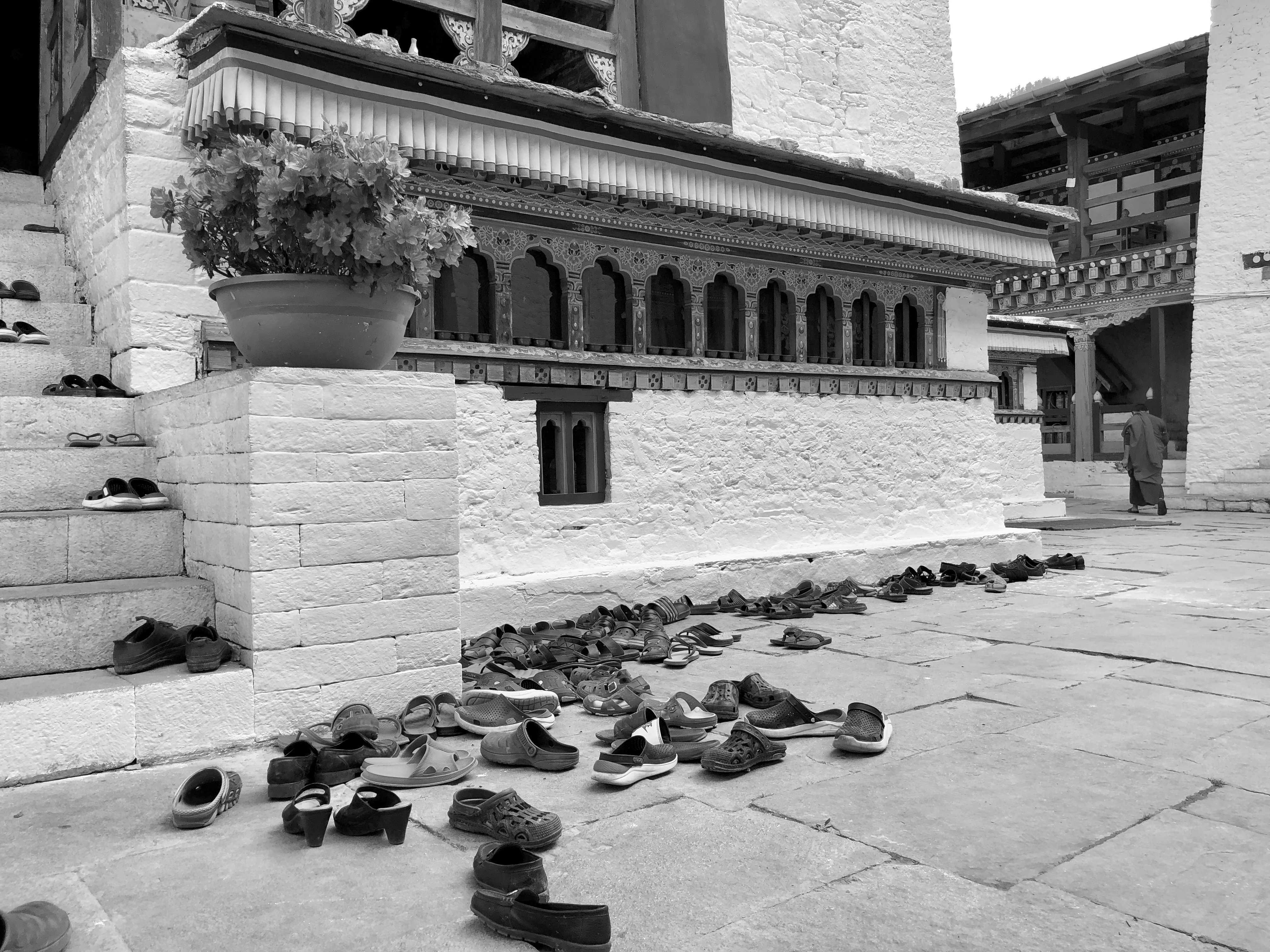
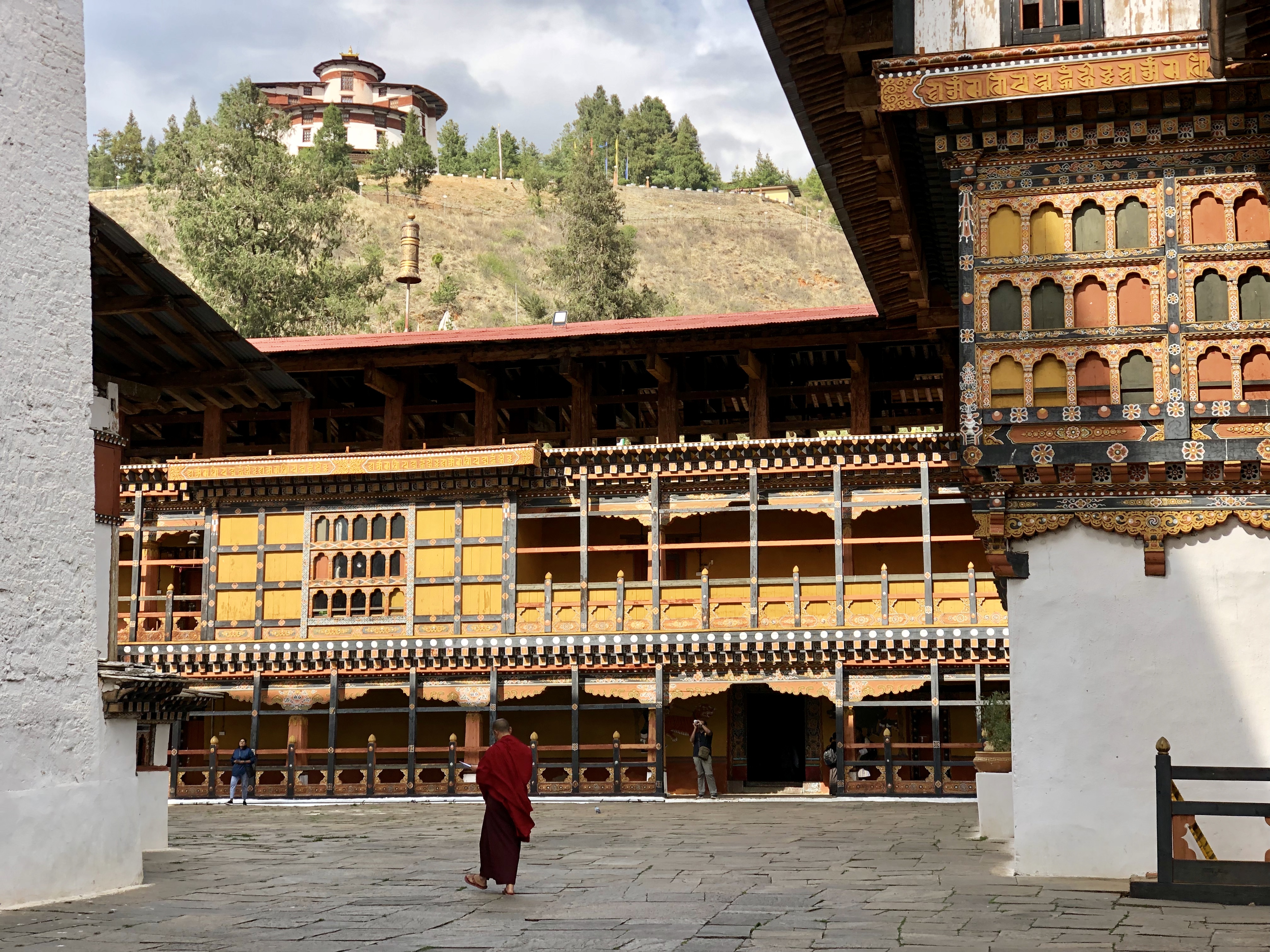
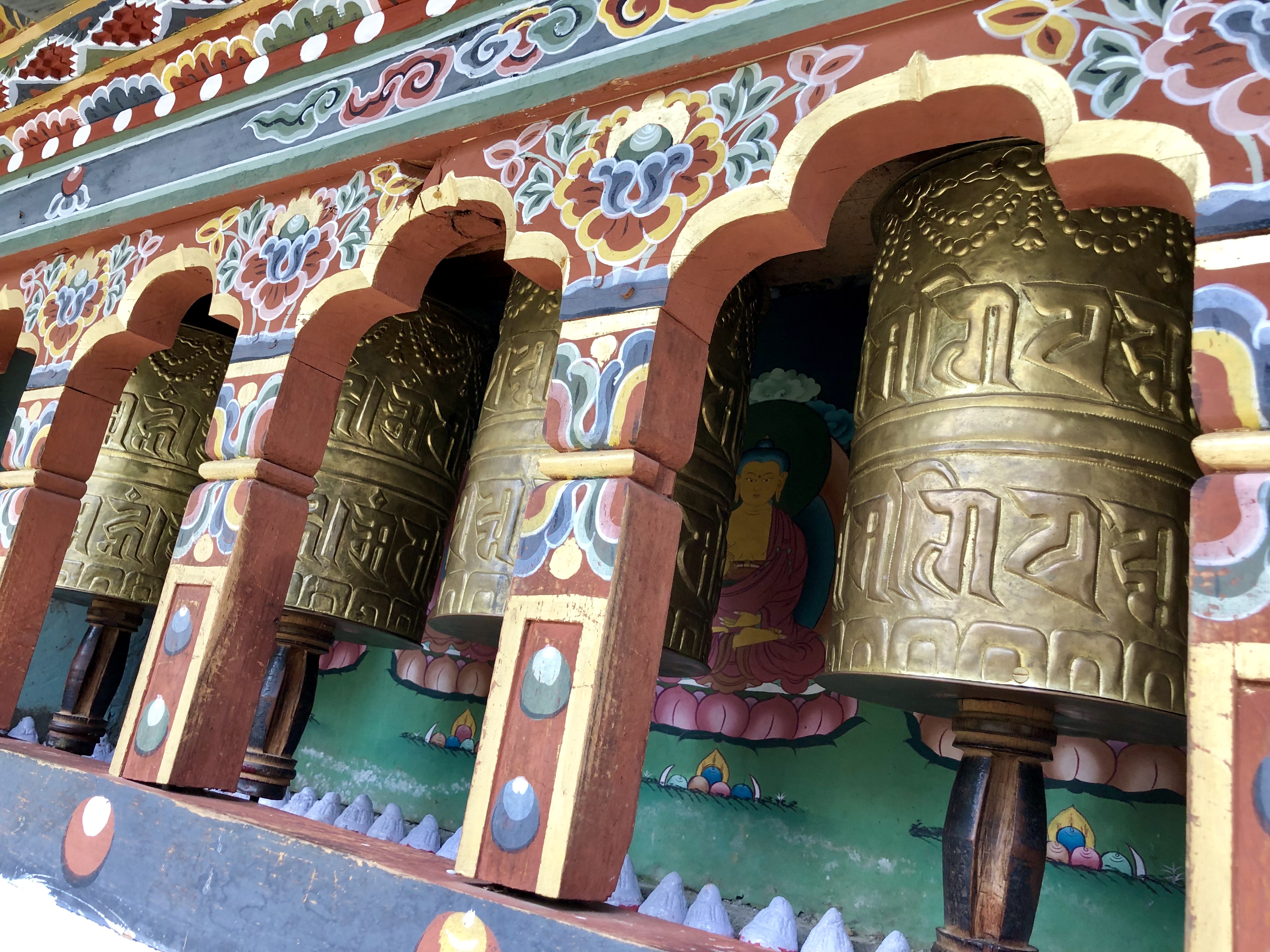
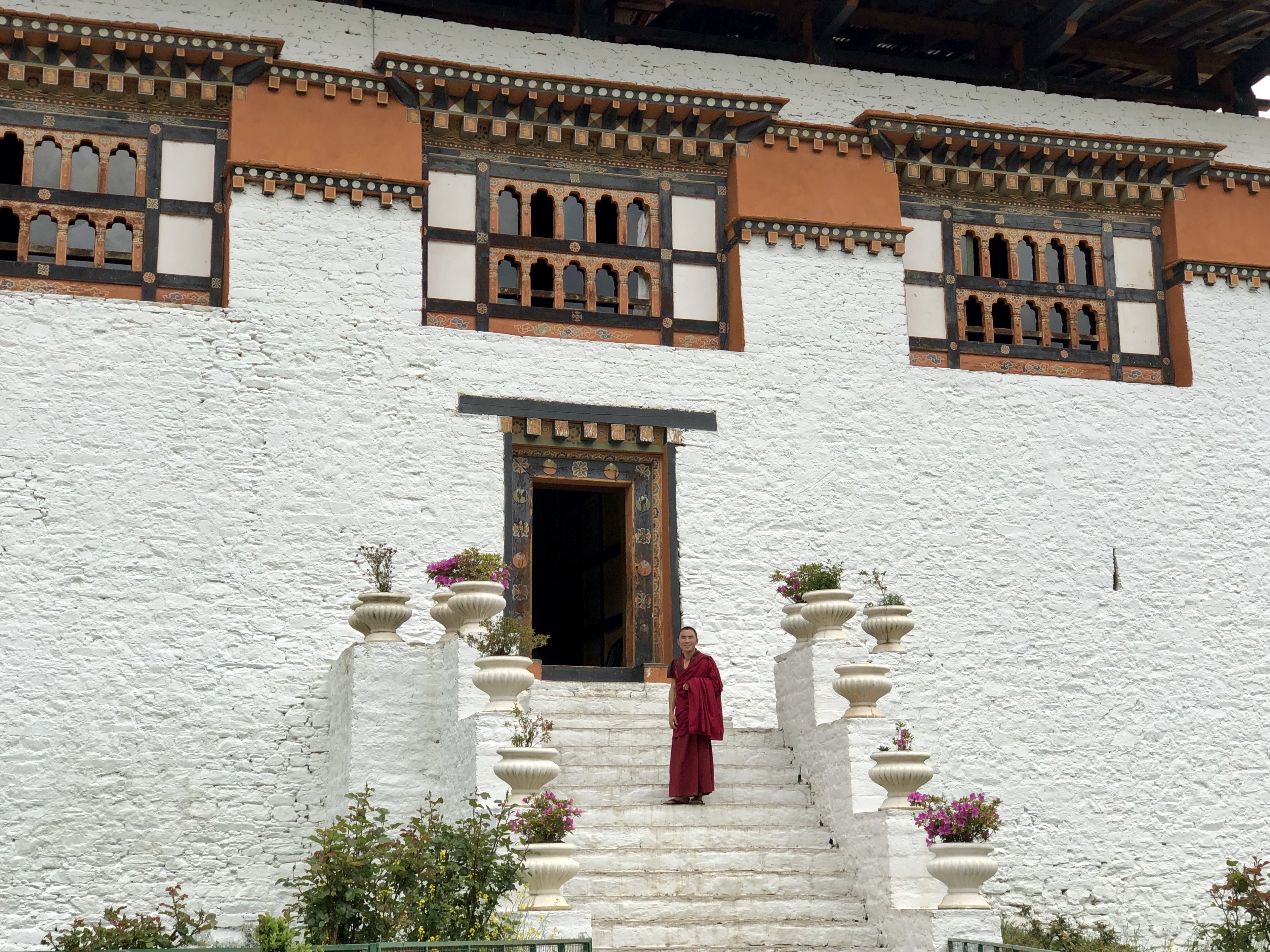
There is a code of conduct for visiting temples. It is important to act and dress with respect when visiting religious sites. Women may accept a gift from a monk but must be careful never to touch him. Shorts and tank tops are not appropriate. Hats must be taken off when entering the grounds. Shoes must be taken off before going into the temples. When sitting in front of Buddha, sit with feet to the side. Bow in the presence of elderly monks. Giving a small monetary donation will be greatly appreciated. Never point your finger or soles of your feet towards a monk or a Buddha figure.
Travel Health: it is especially important that you visit your travel physician prior to this trip as parts of Bhutan are at altitude. You may need medication to prevent altitude sickness.
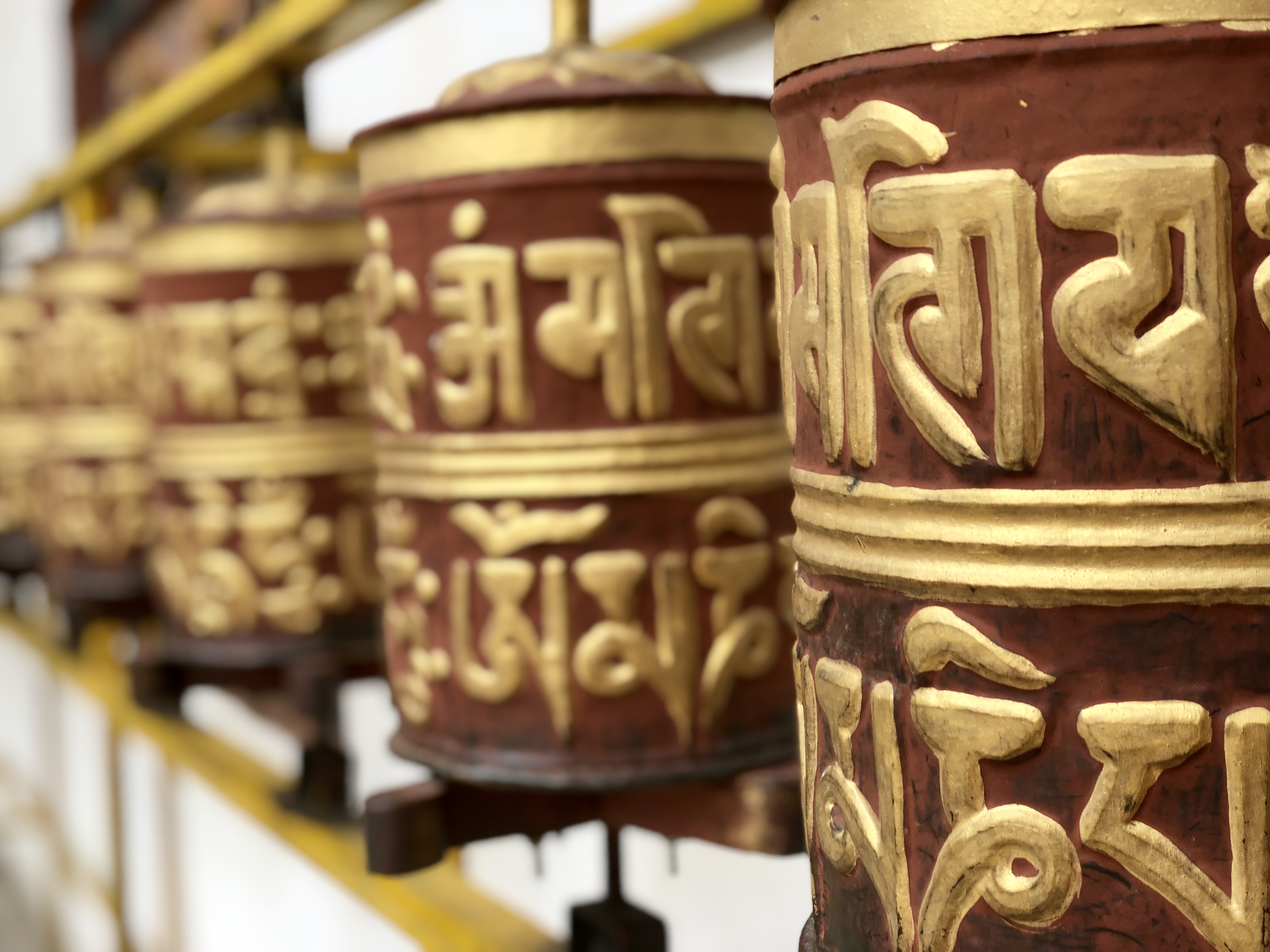
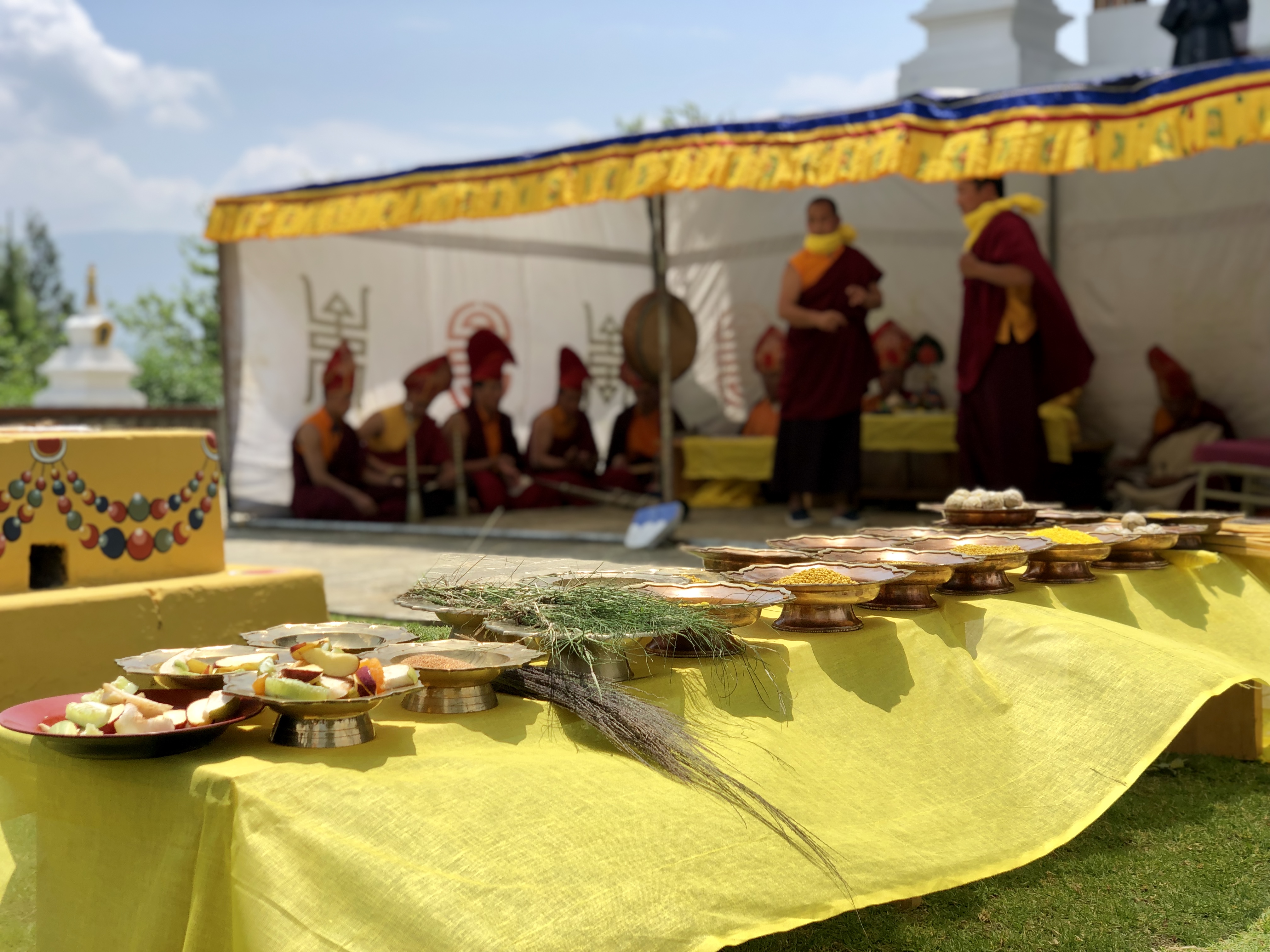
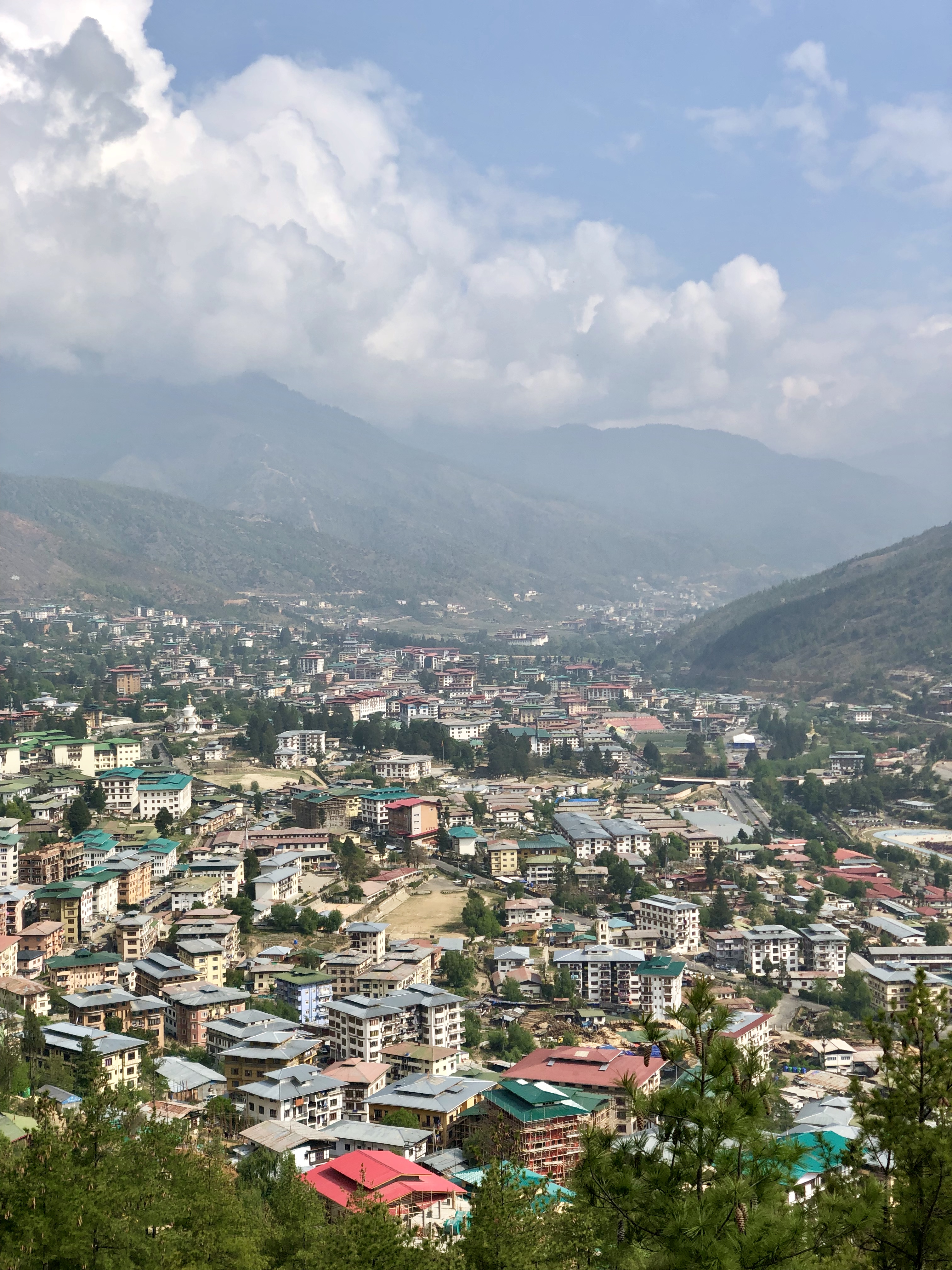
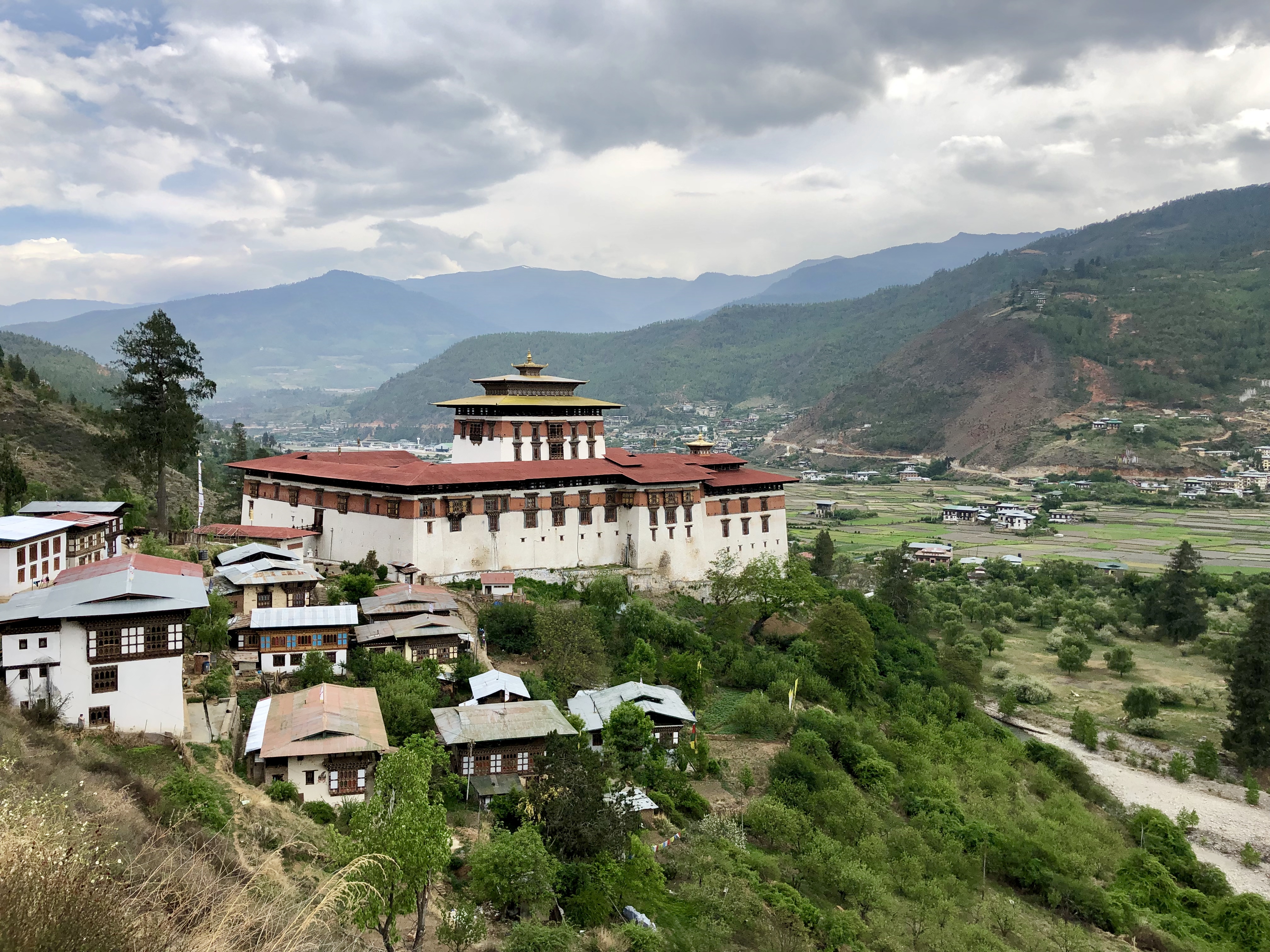
 G+L Travel Photography
You must be logged in to post a comment.